
Apraxia of speech after
stroke or brain injury
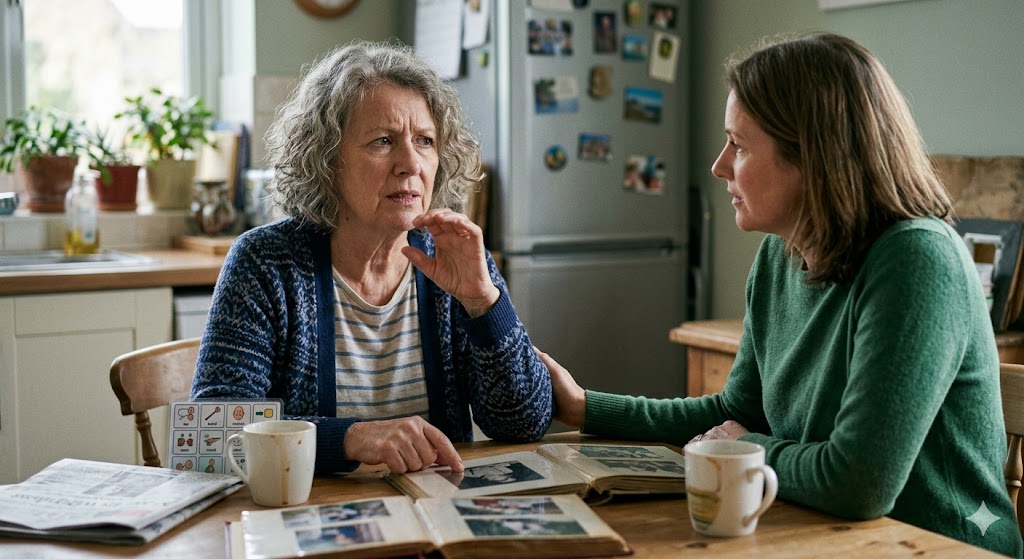
With apraxia of speech, you know exactly what you want to say. It's your brain's planning of the movements to say it that has been thrown off, so the words come out slow or effortful. That gap is real, and it's frustrating. For adults recovering from a stroke or brain injury, steady, targeted practice can make a real difference. I work with you on the motor-speech planning behind clear speech, so you can be understood again.
What is the best treatment for apraxia of speech in adults?
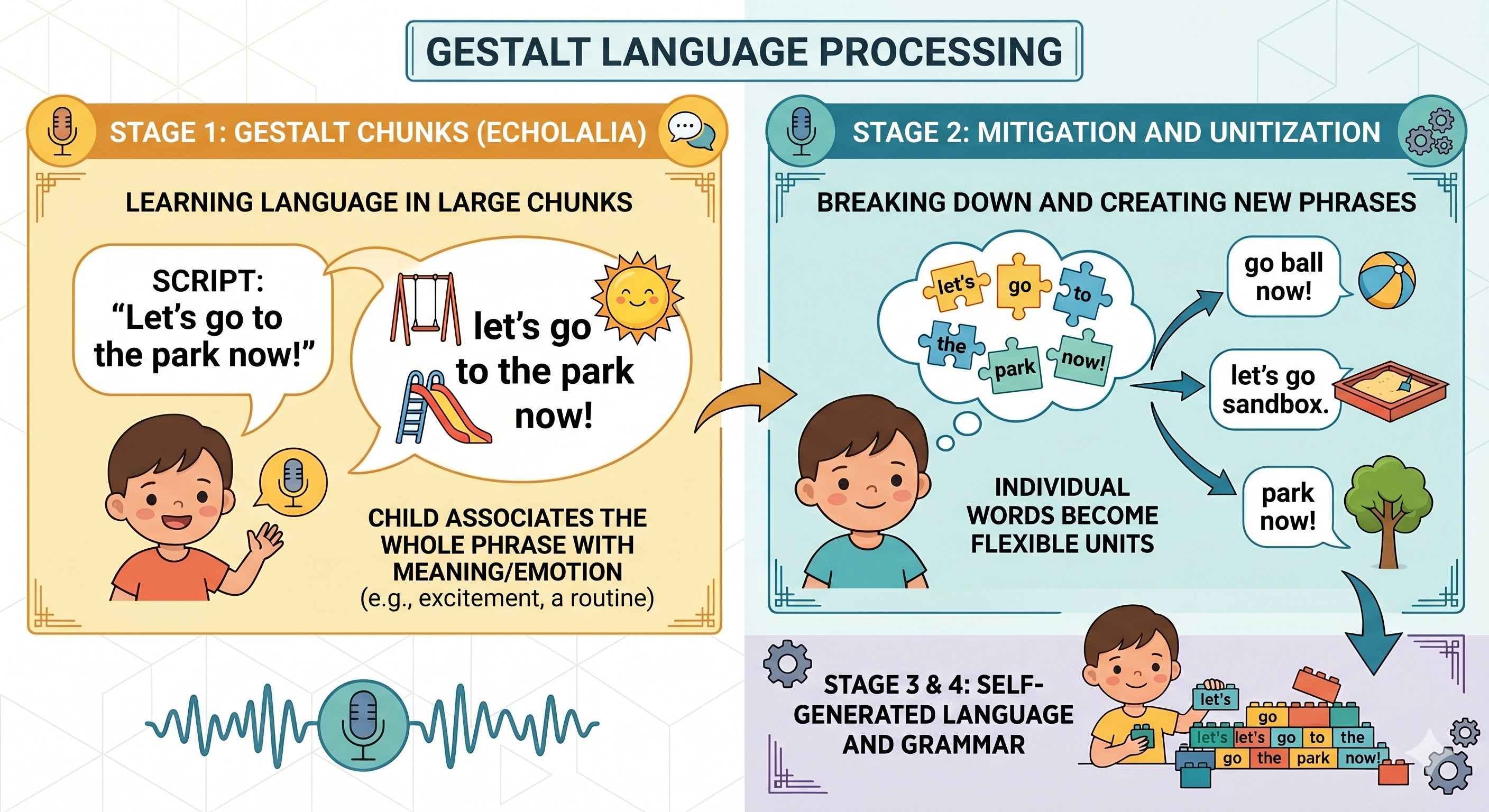
The most effective therapy for apraxia of speech in adults uses frequent, repetitive practice of speech movements with structured cueing, grounded in the principles of motor learning. Approaches like articulatory-kinematic practice and script training rebuild reliable motor plans. Practicing often matters more than long, occasional sessions, which is why virtual therapy that fits into your week works well.
Is virtual therapy effective for apraxia of speech in adults?
Yes. Apraxia therapy is built on cued, repeated speech practice, which translates well to secure video, and telehealth removes travel so you can practice more often. I provide virtual apraxia of speech therapy for adults across Tennessee, Kentucky, California, and North Carolina.
My Approach to Apraxia
My focus is acquired apraxia of speech in adults, especially stroke survivors. Adult apraxia after a neurological event is different from apraxia in children, and it calls for a neurologically-informed approach built around what you can already do and where you want to go.
I care about the motor planning systems behind speech and how a stroke or injury disrupts them. When speech is not reliable yet, I also draw on other ways to be understood, like AAC and sign, so you can keep communicating while we rebuild clear speech.
- Focused on acquired apraxia after stroke and brain injury
- Neurologically-informed treatment approaches
- Alternative communication methods (AAC, sign language)
- Motor planning and speech pathway expertise
Collaborative Therapeutic Approach
Before becoming a speech-language pathologist, I spent several years working as a Registered Behavioral Technician. That experience gave me a broader perspective on how different therapeutic approaches can complement each other when thoughtfully applied. I've learned to appreciate the goals and methods of each field and strive to create a supportive, individualized plan of care that considers the full picture of a client's needs.
Occupational Therapy
Coordinated fine motor and functional skill support
Physical Therapy
Integrated gross motor and positioning strategies
Behavioral Therapy
Complementary behavioral intervention approaches
Social Work
Family and community support systems
Expert Apraxia Therapy Services
Treatment Plans Built Around You
- Individual motor speech assessment
- Goals that fit your daily life
- Progressive skill building
- Regular progress monitoring
Experienced Clinician
- CCC-SLP certified specialist
- Neurologically-informed approaches
- Adult neuro-rehab focus
- Collaborative care philosophy
How We Work
- Motor learning principles
- Techniques with a strong track record
- Alternative communication methods
- Functional outcome focus
Motor-Speech Evaluations
- Motor speech disorder diagnosis
- Oral-motor function assessment
- Communication needs analysis
- Family consultation and education
Who I Work With
- Acquired apraxia after stroke or TBI
- Apraxia alongside aphasia
- Childhood apraxia of speech (CAS)
- Family-centered care approach
Understanding Apraxia of Speech
Adult (Acquired) Apraxia of Speech
An acquired motor speech disorder that usually follows a stroke or brain injury. It affects your ability to plan and sequence the movements needed to speak, even though you know exactly what you want to say.
Common Characteristics:
- Slow, effortful speech
- Sound distortions and substitutions
- Difficulty initiating speech
- Trial-and-error attempts
Childhood Apraxia of Speech (CAS)
A motor speech disorder where a child has difficulty coordinating the precise movements needed for speech. The brain knows what it wants to say, but has trouble coordinating the movements to say it clearly.
Common Signs:
- Inconsistent speech errors
- Difficulty with syllable sequences
- Groping behaviors for sounds
- Increased errors with longer words
What Therapy Can Do
With steady, specialized practice, many people with apraxia improve their speech clarity and make themselves understood more easily. This is motor learning at work: repeated, structured practice helps the brain rebuild reliable speech patterns. Progress looks different for each person, and I will be honest with you about what we are seeing along the way.
Rebuild clear speech after stroke or brain injury
Specialized motor-speech therapy, built around your goals and your daily life.
Virtual across Tennessee, Kentucky, California & North Carolina. marina@affinitytherapytn.com
Frequently Asked Questions
Why a specialist
Adult neurologic communication recovery is my specialty
After a stroke or brain injury, the person is still fully there. Their thoughts, their humor, their personality are all intact. What's changed is the bridge between thought and word, and that bridge can be rebuilt. Helping adults do that, after aphasia, brain injury, and stroke, is the work I trained for in skilled-nursing and outpatient rehab, and the work I care most about.
Credentialed and trained for it
M.S., CCC-SLP, licensed in four states, with clinical training in skilled-nursing and outpatient rehab supporting adults after stroke and brain injury.
Methods that fit you
Approaches with a track record, chosen for your goals and the life you want back.
Virtual across four states
Telehealth in Tennessee, Kentucky, California, and North Carolina, from home.