Word Finding with Aphasia

Word Finding with Aphasia
Difficulty finding the right word is one of the most common challenges of aphasia. We all experience word-finding difficulties from time to time, but with Aphasia it is increasingly frustrating. The neural pathways that once carried out this function have been damaged from a stroke, brain injury or another cause. But you can learn to teach your brain a new way to find the words you are looking for. This is where speech therapy comes in and there are several treatment approaches that I use.
Semantic Feature Analysis (SFA)
The focus with this treatment is to think about the different properties of an object to create a new pathway to finding the word you are looking for. You start by drawing out a bubble map with the word (or picture of the item) in the middle. If you cannot name the word, then you will use the cues in each “bubble” to begin describing the item. The following cues are used to describe the object:
1. Association: What does it make you think about? 2. Group: What group does it belong in? 3. Function: What’s the function of the item? 4. Characteristics: What does it look like/characteristics that it has? 5. Location: Where do you find it? 6. Use: What do you use it for?
Over time, you will not need the map and can go through each cue in your head. The more one practices this, the stronger your ability to find your words will be.
Phonological Component Analysis (PCA)
This is similar to SFA, but this treatment focuses on the phonology of the word. Sometimes thinking of the specific sounds within the word is more helpful than concepts about the item. You will still begin with a bubble map, but the cues will be different.
1. Beginning Sound: What sound does the word begin with?
2. Sound Associate: What else begins with this same sound?
3. Ending Sound: What sound does the word end with?
4. Rhyme: What does it rhyme with?
5. Syllables: How many syllables does it have?
Resources:
Tactus Therapy has great online resources for working on naming (cited below). The Clinician app (pink icon with the words “CT” on it) is also a great resource. It is designed for clinicians, but with the help of a caregiver (or loved one) it can also be used for at home practice.
References
Brewer, C. H. (2022, October 4). Semantic feature analysis for aphasia. Adult Speech Therapy. https://theadultspeechtherapyworkbook.com/semantic-feature-analysis/
Sutton, M. S. (2019, August 25). How to: Phonological components analysis (PCA) treatment for aphasia. Tactus Therapy. https://tactustherapy.com/pca-phonological-components-analysis-aphasia/
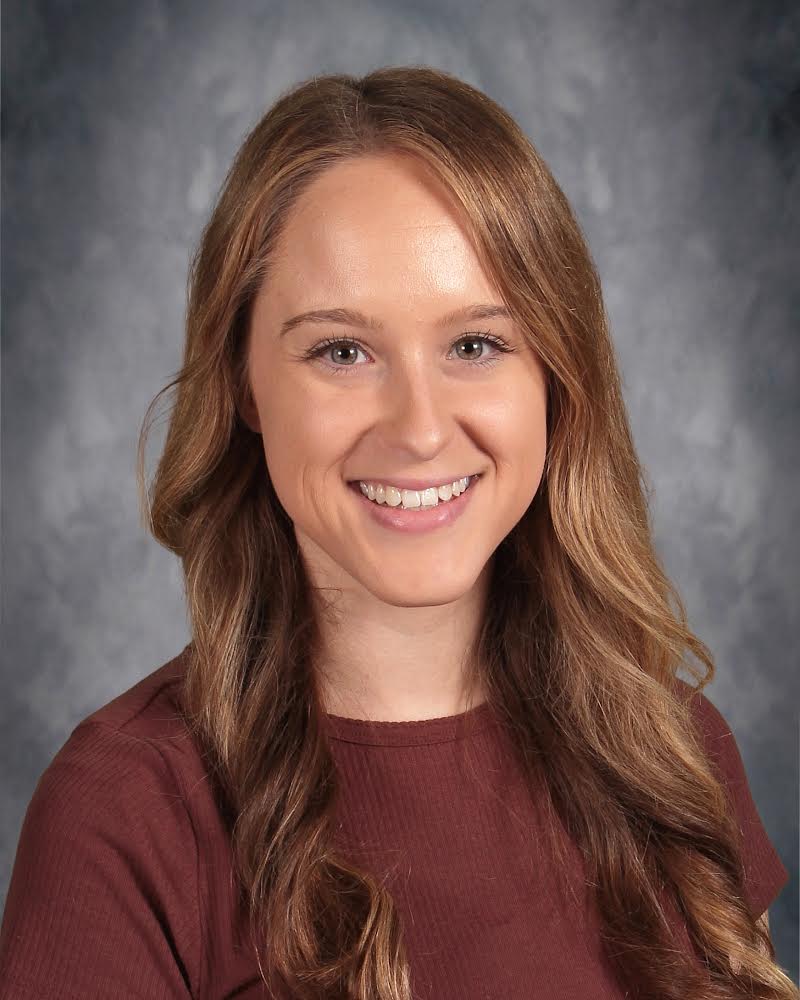
Marina Coakley, M.S., CCC-SLP
I'm a licensed speech-language pathologist (CCC-SLP). I help adults rebuild communication after stroke, brain injury, and aphasia, working with them and the families beside them across Tennessee, Kentucky, California, and North Carolina.
Learn moreReady to Work with Marina?
Schedule a free consultation to discuss how speech therapy can help your family.