What Babies Know Before They Speak

What Babies Know Before They Speak
Many of us assume that a baby’s inner life doesn’t really begin until they start talking. Maybe not even until they are using gestures and outward signs of communication. We imagine the early months as a blur — all sleep and hunger and reflex — before all the personality really starts to shine.
Science tells a very different story. The thalamo-cortical complex — the part of the brain believed to support conscious experience — begins forming between the 24th and 28th week of pregnancy. That’s the second trimester. Some research has found that third-trimester babies appear capable of learning sequences of sounds — showing a measurable surprise response in brain activity when an expected pattern is broken. In other words, the baby is already listening and anticipating.
Evidence from studies of brain connectivity, attention, and sensory integration now suggests that consciousness is likely in place by early infancy — and may even occur before birth.
What the Newborn Already Knows
By the time a baby takes their first breath, they are far from a blank slate. A newborn can already recognize their mother’s facial expressions, voice, and smell. A default mode network — the brain system associated with self-reference, social cognition, and memory — matures shortly after birth, appearing to sustain a basic conscious state.
Researchers now believe newborns can integrate sensory and early cognitive responses into coherent conscious experiences — helping them understand the actions of others and begin planning their own responses. This is happening in the first days of life. Before any words. Before any milestones on a checklist.
And here’s something every parent and clinician should know: children understand language long before they can produce it. Receptive language — the ability to understand what they hear — is building quietly in the background for months before a single word is ever spoken.When words do finally arrive, they follow a predictable and telling pattern. Children’s first words are almost always nouns — mama, dada, ball, dog, cup. Not because nouns are easier to say, but because the developing brain is first mapping the world of things — people, objects, and the concrete anchors of daily life. Language blooms from the inside out, from understanding to expression, from objects to actions to ideas.
What This Means for Speech Pathology
As speech-language pathologists, we are trained to track milestones — first words, first sounds, first attempts at joint attention (shared engagement on an object). But this research invites us to presume more from the child. Long before a child produces their first word, they are already a conscious and sensing being — building the neurological and emotional foundation that all future communication will rest on.
When a caregiver talks to their newborn, makes eye contact, responds to a coo — they aren’t just being sweet. They are quite literally shaping a developing brain. Consciousness in infancy develops gradually and the quality of early connection is what fuels each one.
For families we work with — especially those navigating prematurity, feeding difficulties, or early developmental concerns — this is a powerful reframe. The baby is already here, already aware, already reaching toward connection. Our job, in many ways, is simply to help the child’s external world reach back.
The bottom line: Your baby knows more than you think. Science is only beginning to catch up to what parents have always felt — that something real and remarkable is happening long before the first word is ever spoken.
References
Lagercrantz, H. (2014). The emergence of consciousness: Science and ethics. Seminars in Fetal and Neonatal Medicine, 19(5), 300–305. https://doi.org/10.1016/j.siny.2014.08.003
Menon, V. (2023). 20 years of the default mode network: A review and synthesis. Neuron, 111(16), 2469–2487. https://doi.org/10.1016/j.neuron.2023.04.023
Nelson, K. (1973). Structure and strategy in learning to talk. Monographs of the Society for Research in Child Development, 38(1–2), 1–135. https://doi.org/10.2307/1165803
Padilla, N., & Lagercrantz, H. (2020). Making of the mind. Acta Paediatrica, 109(5), 885–892. https://doi.org/10.1111/apa.15167
Taymourtash, A., Schwartz, E., Nenning, K.-H., Sobotka, D., Licandro, R., Glatter, S., Diogo, M. C., Golland, P., Grant, E., Prayer, D., Kasprian, G., & Langs, G. (2023). Fetal development of functional thalamocortical and cortico-cortical connectivity. Cerebral Cortex, 33(9), 5613–5624. https://doi.org/10.1093/cercor/bhac446
Tichý, M., Břešťák, M., & Horáček, J. (2021). Magnetoencephalographic signatures of conscious processing before birth. Developmental Cognitive Neuroscience, 49, 100964. https://doi.org/10.1016/j.dcn.2021.100964
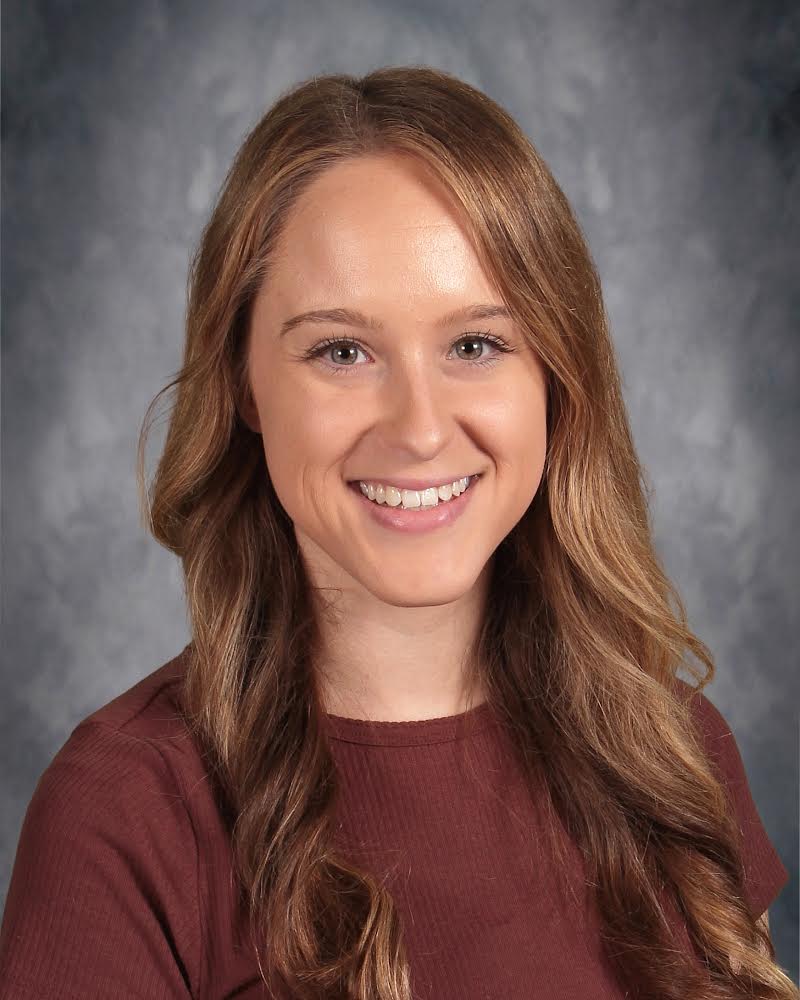
Marina Coakley, M.S., CCC-SLP
I'm a licensed speech-language pathologist (CCC-SLP). I help adults rebuild communication after stroke, brain injury, and aphasia, working with them and the families beside them across Tennessee, Kentucky, California, and North Carolina.
Learn moreReady to Work with Marina?
Schedule a free consultation to discuss how speech therapy can help your family.