Spelling to Communicate: A Brief Introduction
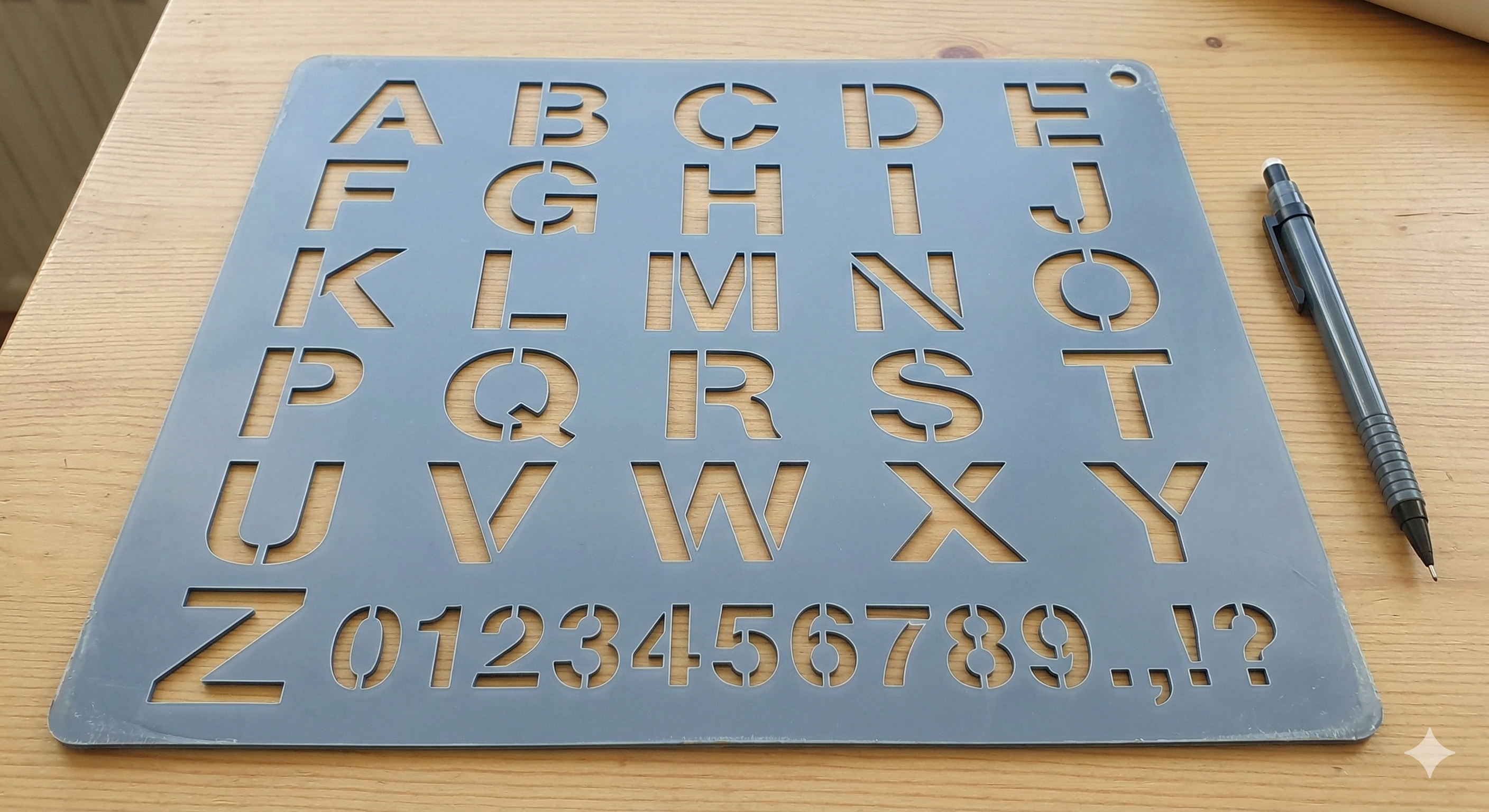
Spelling is a form of communication making a come back for non speaking individuals. This is commonly used for people who have apraxia. It frequently co-occurs with nonspeaking autism.
Learning to spell is not about teaching letters or grammar, it is a method of communication. It can be a gradual process, but it is also helping with motor movements. Because speech is a complex fine motor movement it can be challenging for those with apraxia (motor planning and programming disorder). Pointing to letters on a letter board or stencil is a gross motor task. This makes the motor movement easier, and therefore one can put more focus on communication. It does take time to gain the skill of spelling.
It is significant to note, this method “presumes competence.” Many spellers’ language skills are intact, they just have difficulty coordinating the motor movements for speech sounds.
⸻
How Spelling to Communicate (S2C) Supports Communication Development
1. Motor Skills Before Speech
S2C treats communication as a motor skill.
Just like learning to write, dance, or play an instrument, pointing with accuracy takes practice.
2. Regulation & Co-Regulation Practitioners spend time helping individuals stay regulated and connected — which supports attention, motor coordination, and prepared for communication.
3. Cognitive Engagement
Even while the motor skill is being built, the learner is participating in attending to tasks, exposure to vocabulary and turn taking in conversation.
4. A Pathway Toward Independent Communication
Over time, learners often move from:
• Single letters
• Spelling words
• Open-ended responses
• Independent typing or AAC
The long-term goal is always independent communication.
If you or a loved one are interested in hearing more about Spelling and AAC for communication, please feel free to reach out to me directly.
marina@affinitytherapytn.com
Marina Coakley, M.S., CCC-SLP
I'm a licensed speech-language pathologist (CCC-SLP). I help adults rebuild communication after stroke, brain injury, and aphasia, working with them and the families beside them across Tennessee, Kentucky, California, and North Carolina.
Learn moreReady to Work with Marina?
Schedule a free consultation to discuss how speech therapy can help your family.